MATERIAL & FINISH / Stainless Steel Fabrication
Stainless steel. Finish with a purpose.
Specify stainless metalwork around what it contacts, how it is cleaned and how it needs to look. A useful quote connects the environment, geometry and surface requirements.
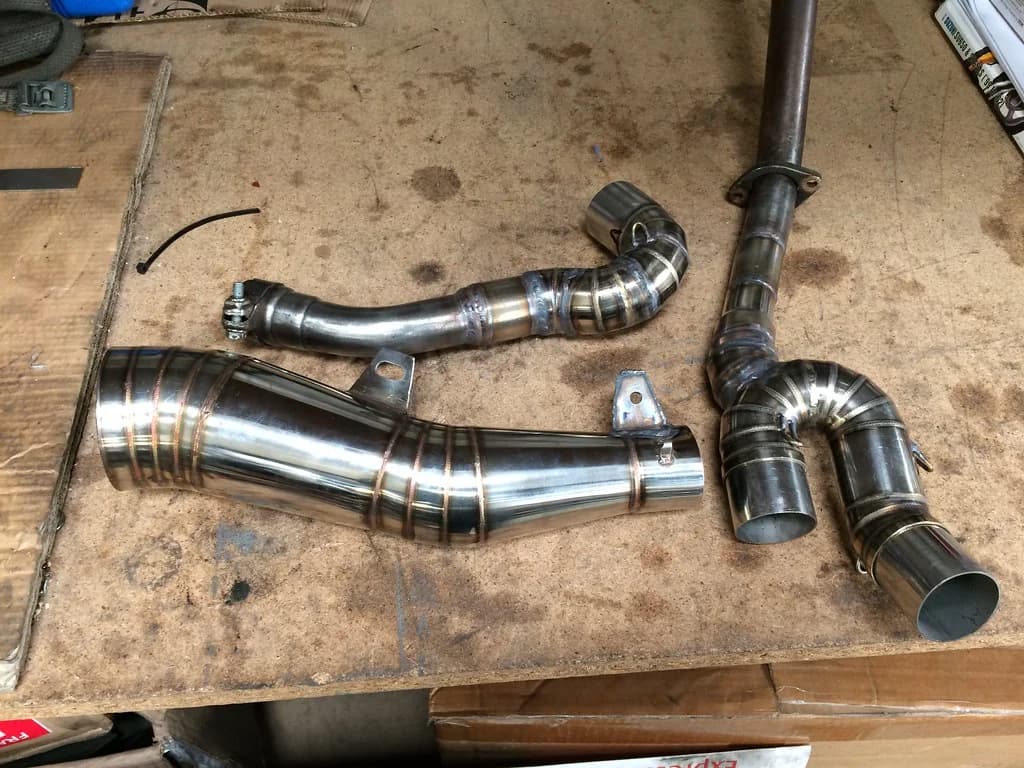
01 / THE PROCESS
Start with the application.
Stainless fabrication combines cutting, forming, joining and finishing to produce components for process areas, kitchens, equipment and architecture. Surface condition and joint design can be as important as dimensions.
For hygiene-sensitive work, describe the cleaning regime, product contact, drainage and inspection criteria. Smooth appearance alone does not establish sanitary suitability. Tanks, pressure-containing equipment and regulated assemblies need their own design and compliance review.
02 / APPLICATIONS
Typical fabrication applications.
Potential project types to help define your scope.
Food-processing components
Chutes, covers and guides with product-contact and cleaning requirements defined.
Commercial kitchen fabrication
Splashbacks and fitted components coordinated with surrounding equipment.
Stainless worktables
Work surfaces with specified loading, edge details, supports and finish.
Equipment enclosures
Protective housings with access panels, openings and mounting interfaces.
Tanks and hoppers
Vessels and gravity-feed assemblies with contents, operating conditions and drainage defined.
Sanitary assemblies
Joints and surfaces designed around documented cleaning and inspection criteria.
Architectural stainless
Trim, feature panels and assemblies with controlled visual grain and transitions.
03 / MATERIAL SELECTION
Choose for the working environment.
Material suitability and availability are reviewed against your specification.
304 stainless steel
A common starting point for many general-purpose and kitchen applications. Suitability still depends on chemicals, temperature and cleaning.
316 stainless steel
Molybdenum improves resistance to certain forms of localized corrosion relative to 304. It is not immune to chloride attack; exposure must be assessed.
Surface finish
Mill, directional brushed and polished appearances serve different needs. Specify an agreed sample, grain direction and any measurable surface requirement rather than relying on a finish name alone.
04 / FABRICATION CAPABILITIES
Connect the processes.
Forming & joint layout
Plan corners, transitions and drain paths together. Reduce crevices where the application requires cleanability.
Welding & contamination control
Base metal, filler selection and handling should suit the environment. Separate stainless surfaces from sources of carbon-steel contamination.
Finishing & post-weld treatment
Specify visible weld blending, heat-tint removal and any required cleaning or passivation procedure. The treatment must match the service conditions.
05 / INDUSTRIES SERVED
Built around your sector.
06 / PROJECT REQUIREMENTS
A better brief.
A clearer quote.
Describe contents or exposure, cleaning chemicals, temperature, product-contact areas, required finish and drainage. State any pressure duty or sanitary acceptance criteria explicitly.
Add supported drawings in the secure document step when upload is available. You can also submit the scope without files and identify what needs clarification.
PREPARE YOUR RFQ ↗Drawings & specifications
Identify the revision, units, intended use and critical dimensions. Describe available drawings in your inquiry.
Material & quantities
State material preferences, thickness or section, part quantities and repeat-order expectations.
Finish & acceptance
Define finish, visible faces, dimensional requirements, inspection and documentation.
Delivery & schedule
Include city, province, access or unloading constraints and the required project dates.
Installation & interfaces
Identify site work, mating components, measurement responsibilities and installation needs where applicable.
QUESTIONS / ANSWERS
Before you specify.
Should I choose 304 or 316?
Start with the actual exposure rather than choosing on appearance. Chlorides, temperature and cleaning chemicals can change the selection. Have the grade assessed against the application.
Does a polished surface mean a sanitary assembly?
No. Joint geometry, drainage, access for cleaning and documented surface criteria also matter. Provide the applicable hygienic specification and acceptance method.
Can a brushed finish be matched?
Provide a physical reference or agreed finish specification, including grain direction and which faces are visible. Weld blending and formed corners may need separate appearance acceptance.
What should a tank inquiry include?
Identify contents, volume, operating pressure and temperature, supports, connections and cleaning needs. Pressure-containing work requires a separate regulatory and design review.
How do I prevent corrosion at connections?
Describe adjacent materials, moisture and chemical exposure. Crevices, contamination and dissimilar-metal contact need review as part of the assembly design.
MATERIAL / METHOD
Explore the fabrication decisions.
Relevant capabilities
Material guidance
CONNECTED PROCESSES
Complete the fabrication scope.
FOCUSED FABRICATION
Start with the component you need.
Explore specific metalwork requirements, from individual mounting parts to complete fabricated assemblies.
Custom Metal Enclosures
Bring equipment dimensions, access requirements and operating conditions together in a clearly specified metal housing. Plan the shell around the components it contains and the people who maintain them.
EXPLORE REQUIREMENTS ↗Stainless Steel Work Tables
Define a stainless work table around the operation, the available space and the cleaning routine. Coordinate the top, frame, shelves and access so the finished piece supports the way the room is used.
EXPLORE REQUIREMENTS ↗Architectural Metal Panels & Trim
Translate a design intent into buildable metal details. Coordinate panel modules, folded returns, joints and attachment points with the surfaces and systems around them.
EXPLORE REQUIREMENTS ↗FABRICATED PRODUCTS
From a fabrication process to a useful product.
Public realm
Skate Deterrents
Custom metal skate deterrents for ledges and site furniture. Discuss profiles, mounting substrates, finishes, pedestrian access and project quantities.
EXPLORE PRODUCTPublic realm
Metal Benches
Custom fabricated metal benches and seating frames for commercial and public spaces. Define seat geometry, armrests, drainage, anchorage and repairable components.
EXPLORE PRODUCTPublic realm
Bollards & Protective Posts
Fabricated bollards, decorative sleeves and protective posts. Distinguish pedestrian delineation from impact-rated protection and define foundations and finish.
EXPLORE PRODUCTIndustrial products
Equipment Enclosures
Custom sheet metal equipment cabinets and enclosures. Plan clearances, ventilation, doors, cable entries, corrosion resistance and required enclosure ratings.
EXPLORE PRODUCTYOUR NEXT STEP
Specify the environment. Define the finish.
Start a stainless quote with the intended use, material preference, cleaning needs and surface expectations.