01
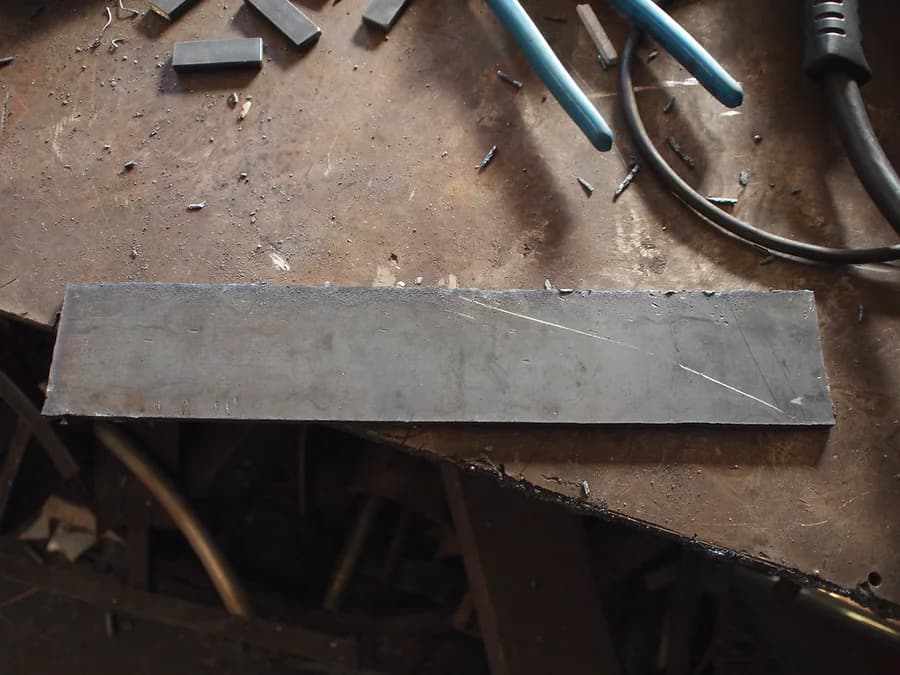
Carbon Steel
Carbon steel is widely used for frames, supports and fabricated components. A useful specification identifies product form, grade, service conditions and the protection the finished assembly needs.
MATERIALS / FABRICATION GUIDANCE
Material selection connects performance, fabrication and maintenance. Start with the duty, then consider grade, product form and finish together.
EXPLORE MATERIALS ↓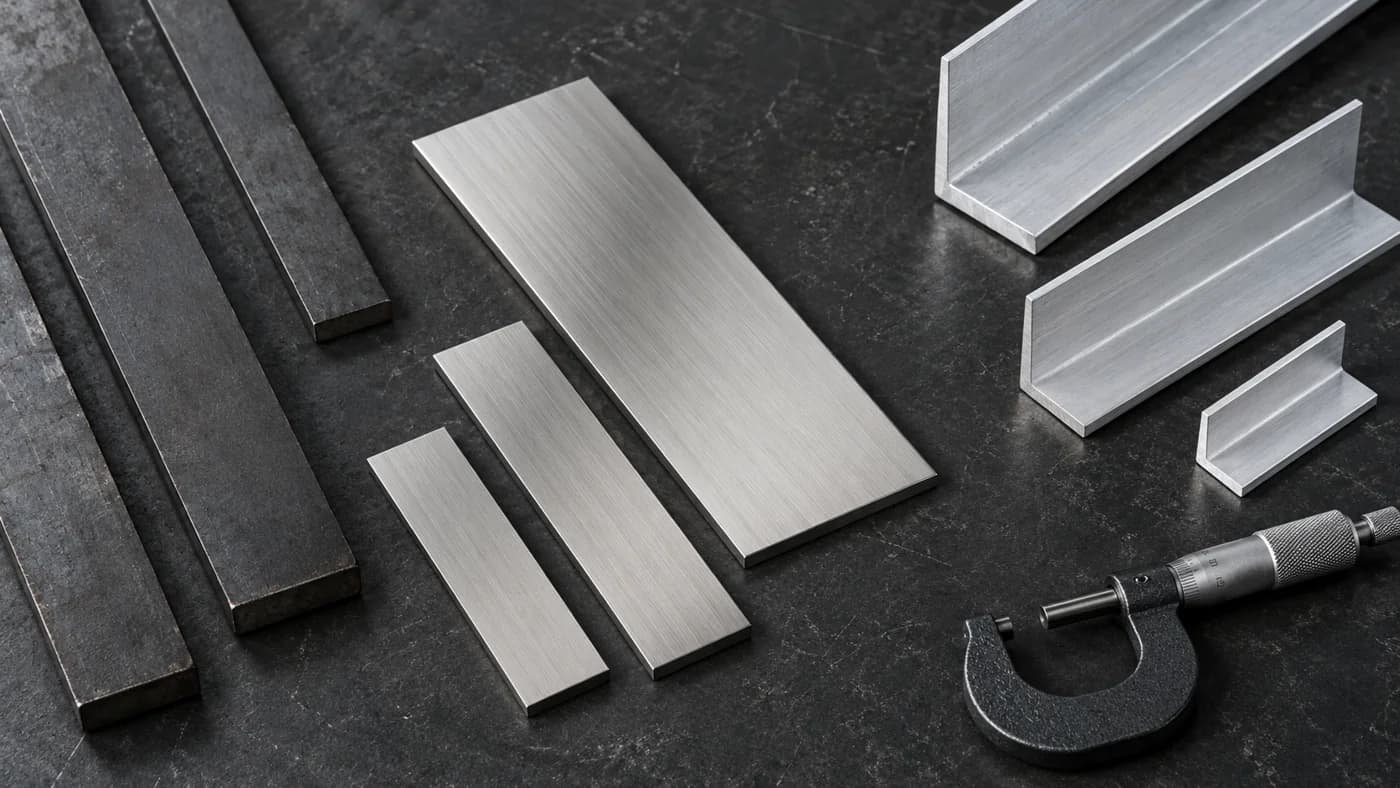
A material family narrows the choices but does not complete the specification. Grade, temper where applicable, thickness, surface condition and traceability requirements can change how a component is made and accepted.
These guides explain general industry characteristics. They are not a stock list, an engineering selection or confirmation that every grade and treatment is available. Final choices and any substitutions require project-specific review.
EXPLORE / COMPARE
01
Carbon steel is widely used for frames, supports and fabricated components. A useful specification identifies product form, grade, service conditions and the protection the finished assembly needs.
02
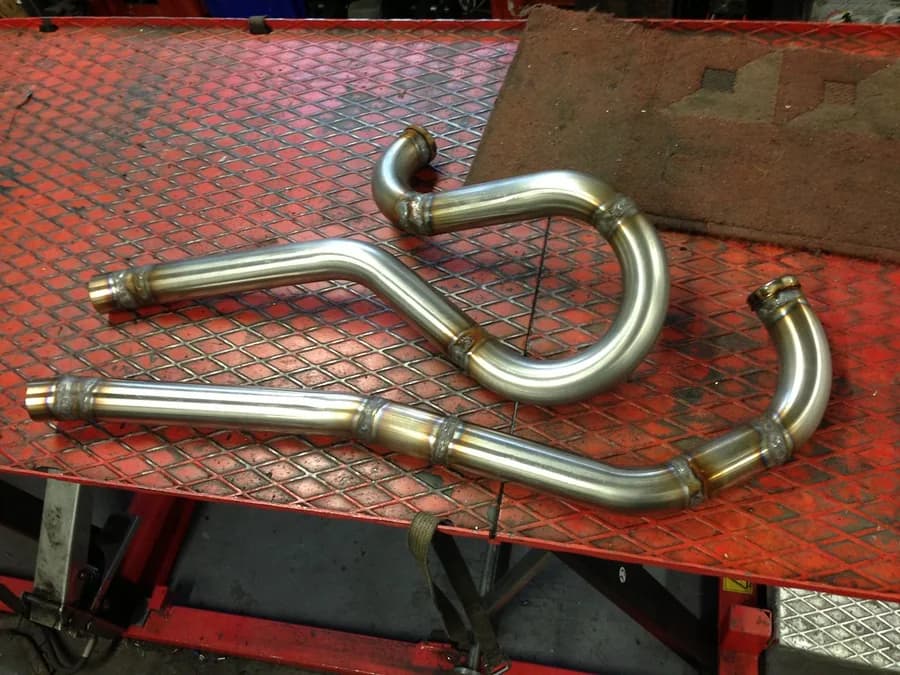
Match stainless steel to the environment, contact conditions and finish requirements. The grade name is one part of a complete material specification.
03
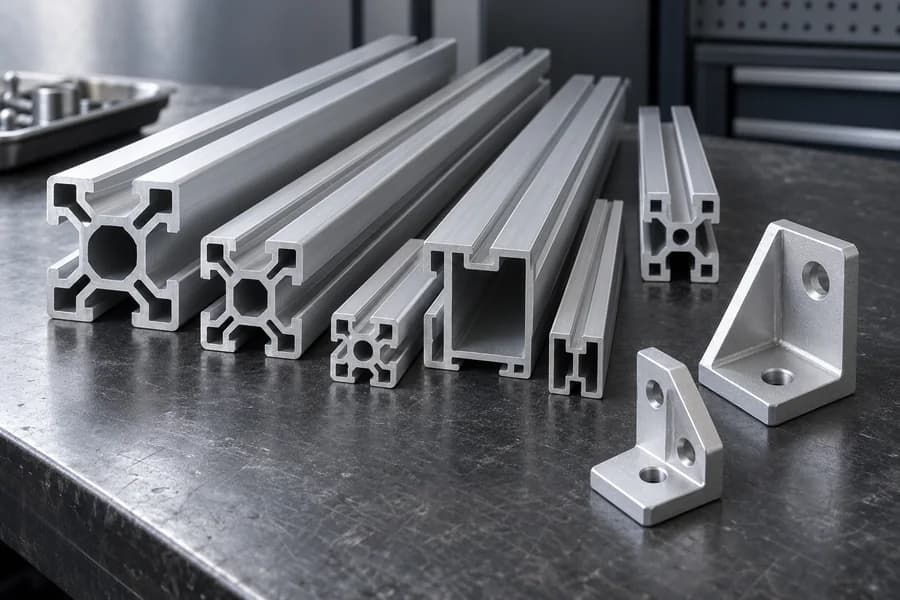
Lower component mass can be useful, but alloy, temper and geometry determine how aluminum performs. Select the material with its forming, joining and finish requirements in view.
APPLICATIONS / POTENTIAL COMPONENTS
Frames, plates and supports where design requirements and a suitable protective system are defined.
Components where corrosion exposure, cleaning or visible surface requirements guide selection.
Frames, panels and brackets where weight, alloy condition and joining need coordinated review.
PROJECT PLANNING
Describe moisture, salts, chemicals, cleaning, operating temperature and the maintenance environment.
Name the grade, product form, dimensions and temper where relevant. Include required material documentation.
Consider loads, stiffness, connections, forming, weld condition, coatings and future maintenance together.
SELECTION TRADEOFFS
| Material | Often considered for | Review early | Finish considerations |
|---|---|---|---|
| Carbon steel | Structural supports and equipment frames | Grade, loading, corrosion exposure and handling weight | Preparation, coating or galvanizing requirements |
| Stainless steel | Process components and visible architectural work | Actual chemicals, cleaning, grade and joint geometry | Grain, polishing and post-weld treatment |
| Aluminum | Lightweight components and architectural sections | Alloy, temper, stiffness and welded condition | Anodizing or coating suitability and appearance |
CONNECTED EXPERTISE
CONNECTED PROCESSES
QUESTIONS / ANSWERS
Describe the component's function, exposure, weight and finish requirements. Identify whether a designer will specify the material or whether options are needed for review.
The environment, strength, fabrication and maintenance needs all matter. Compare the complete application rather than a single property.
Only through an agreed substitution review. Similar appearance does not establish equivalent mechanical properties, corrosion performance or certification requirements.
No. The grades are general industry examples. Product availability, documentation and suitability are confirmed during quotation.
YOUR NEXT STEP
Share the intended application, material preferences, drawings, quantities and project location. A complete brief helps define the fabrication scope.