JOINING & ASSEMBLY / Industrial Welding
Welded work. Planned around the joint.
Scope welded assemblies and repairs around material condition, joint design and service requirements. For operating facilities, access and shutdown coordination matter alongside the weld itself.
01 / THE PROCESS
Start with the application.
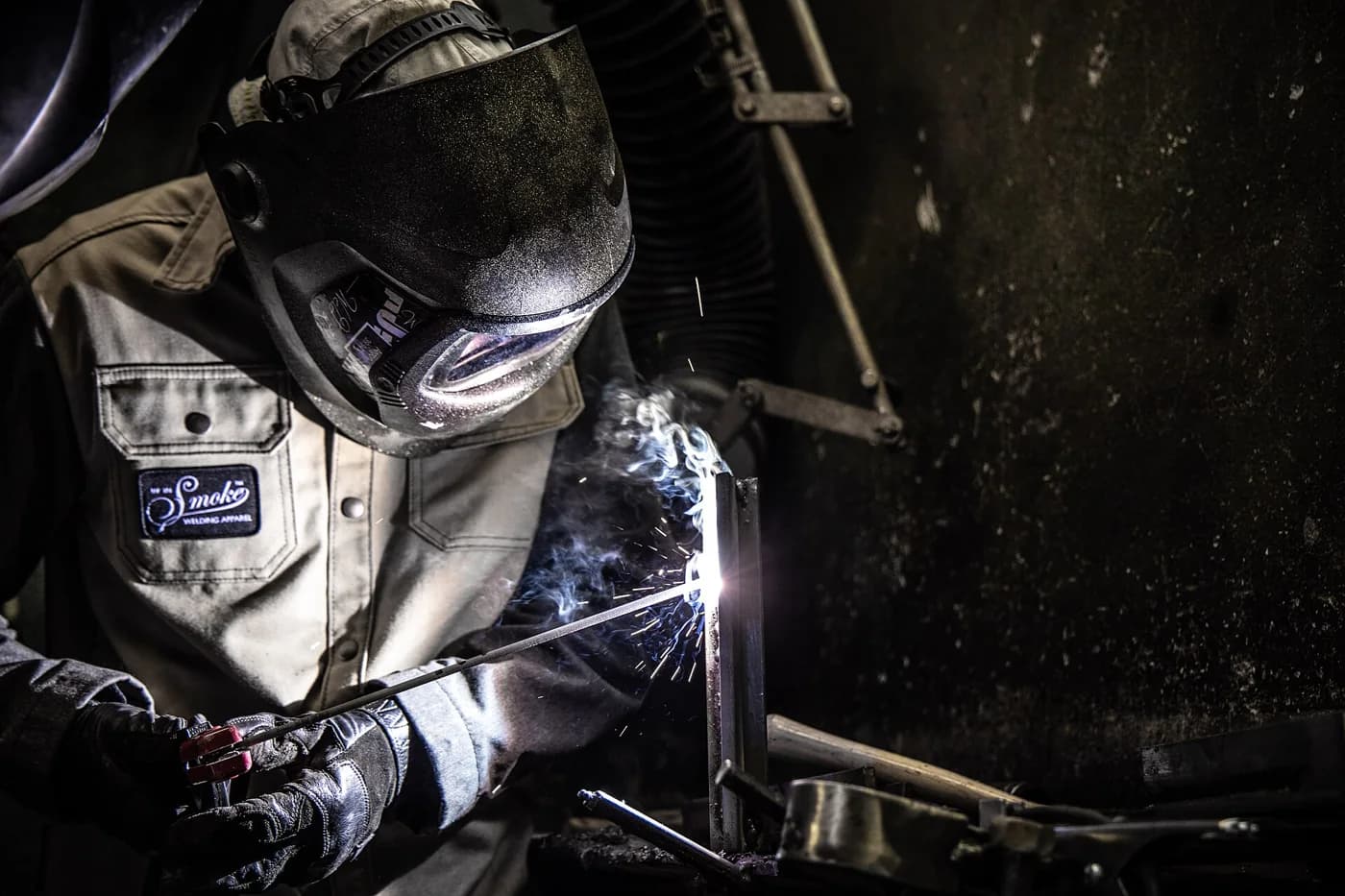
Welding joins compatible materials using a process and procedure suited to the base metals, thickness, joint and environment. Shop welding can support controlled assembly; field welding introduces access, weather, isolation and work-permit constraints.
Repairs and structural modifications need assessment before a weld is specified. Establish the cause of damage, original material and design responsibilities. Applicable regulations, qualification, inspection and documentation requirements must be reviewed for the actual work.
02 / APPLICATIONS
Typical fabrication applications.
Potential project types to help define your scope.
Shop-welded assemblies
Frames and components with defined joint details and dimensional checks.
Field welding
Site joints assessed for access, position, isolation and environmental controls.
Equipment repairs
Repair scopes based on damage assessment and identified base material.
Structural modifications
Changes coordinated with the responsible engineer and required approvals.
Maintenance fabrication
Replacement supports and fabricated items planned around shutdown windows.
Steel and stainless welding
Joints with compatible materials, filler and service requirements specified.
Aluminum welding
Alloy-sensitive joining with the welded condition considered in the design.
03 / MATERIAL SELECTION
Choose for the working environment.
Material suitability and availability are reviewed against your specification.
Carbon and structural steel
Identify grade, existing coatings and any material documentation. Unknown or previously repaired steel may need additional assessment.
Stainless steel
Grade, corrosion exposure and cleaning requirements influence joint preparation, filler and post-weld treatment.
Aluminum
Alloy, temper and contamination control affect the approach. A visually clean joint alone is not proof of suitability.
04 / FABRICATION CAPABILITIES
Connect the processes.
Procedure & joint review
Select the welding approach against the specified duty. Required procedures and personnel qualifications must be established before work.
Shop & field scope planning
Distinguish fabrication from site activities. Field feasibility depends on safe access, isolation, weather protection and local requirements.
Inspection & repair documentation
Define visual and any additional inspection, acceptance criteria and records. Inspection scope is determined by the project, not assumed from the service name.
05 / INDUSTRIES SERVED
Built around your sector.
06 / PROJECT REQUIREMENTS
A better brief.
A clearer quote.
Identify base metals, joint drawings, operating conditions, damage history, required standards and inspection. For site work, describe isolation, hot-work controls, access and shutdown timing.
Add supported drawings in the secure document step when upload is available. You can also submit the scope without files and identify what needs clarification.
PREPARE YOUR RFQ ↗Drawings & specifications
Identify the revision, units, intended use and critical dimensions. Describe available drawings in your inquiry.
Material & quantities
State material preferences, thickness or section, part quantities and repeat-order expectations.
Finish & acceptance
Define finish, visible faces, dimensional requirements, inspection and documentation.
Delivery & schedule
Include city, province, access or unloading constraints and the required project dates.
Installation & interfaces
Identify site work, mating components, measurement responsibilities and installation needs where applicable.
QUESTIONS / ANSWERS
Before you specify.
Can damaged equipment simply be welded back together?
A repair first needs the material, cause of failure and service conditions assessed. Some components need an engineered repair procedure or replacement rather than a local weld.
Is field welding available everywhere?
Feasibility depends on location, access, safety controls, conditions and the required qualifications. Include the site details so the field scope can be assessed.
Which welding method will be used?
The joint, material, position and quality requirements guide process selection. Do not specify a method solely by preference if the governing procedure requires another approach.
Can you provide certified welding?
Include the exact standard, certification scope and inspection requirements. Required credentials and procedures must be verified for the proposed work before a commitment is made.
What should I include for a shutdown repair?
Describe the defect, equipment state, isolation arrangements, access, work window and restart acceptance criteria. Add relevant photos in the secure document step when upload is available, or identify the documents to discuss during review.
MATERIAL / METHOD
Explore the fabrication decisions.
Relevant capabilities
Material guidance
CONNECTED PROCESSES
Complete the fabrication scope.
FOCUSED FABRICATION
Start with the component you need.
Explore specific metalwork requirements, from individual mounting parts to complete fabricated assemblies.
Machine Guards & Protective Covers
Scope fabricated guard panels, frames and covers around a documented safeguarding design. Clear interfaces help maintenance teams and equipment designers coordinate physical barriers with the wider safety system.
EXPLORE REQUIREMENTS ↗Equipment Frames & Supports
Plan equipment bases and support frames around real interfaces: mounting patterns, operating loads, service access and the floor or structure below. A clear design package connects fabrication to installation.
EXPLORE REQUIREMENTS ↗YOUR NEXT STEP
Define the joint before the welding scope.
Share material, joint or repair details, inspection requirements and whether the work is in-shop or on-site.