INDUSTRIES / INDUSTRIAL MANUFACTURING
Fabrication around the production line.
Specify components around the equipment they support and the conditions they will see. Production teams need fit, access and maintenance requirements carried through the fabrication scope.
CONTEXT / REQUIREMENTS
Fabrication in its working environment.
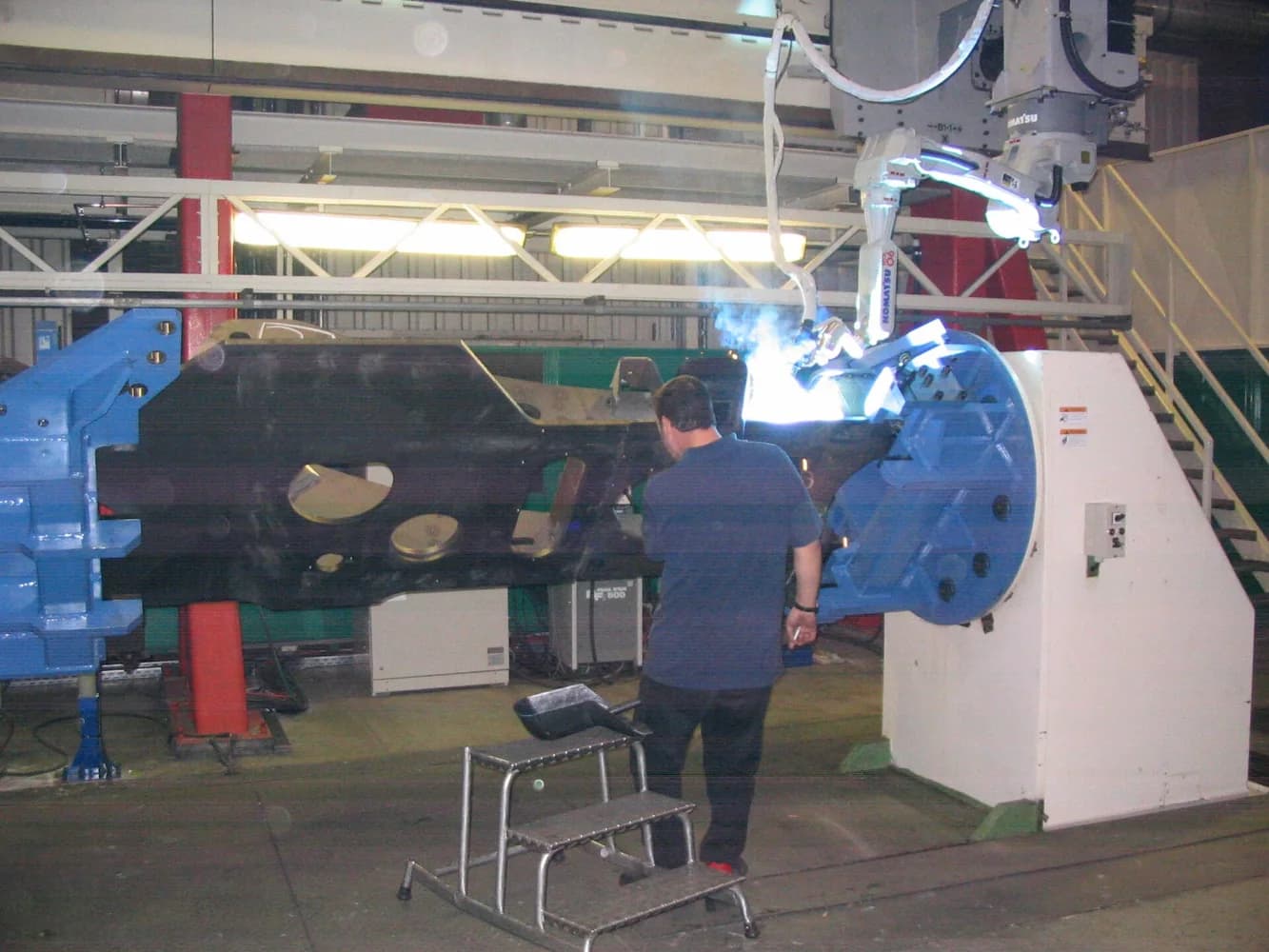
Manufacturing metalwork ranges from standalone brackets to assemblies installed within a production line. Loads, vibration, temperature and access influence design choices, while cleaning and wear influence material and finish.
A replacement part may need more than matching its outline. Confirm mating dimensions, original material, damage history and any change in duty. Agree inspection points and handover information before work is released.
APPLICATIONS / COMPONENTS
Potential components for your sector.
Examples for scoping a project. Final suitability depends on the design and operating conditions.
Equipment frames
Support structures with mounting patterns and operating loads defined.
Machine guards
Covers and barriers coordinated with a machinery risk assessment and maintenance access.
Process chutes
Formed components with product flow, wear and cleaning conditions identified.
Assembly fixtures
Locating and support components with repeatability requirements specified for review.
Maintenance platforms
Access assemblies with equipment clearances and engineered loading criteria.
Replacement brackets
Interfaces and supports measured against the equipment they connect to.
SPECIFICATION / REVIEW
Plan the procurement, not just the part.
Document the interfaces
Supply equipment drawings, critical mounting dimensions and allowable adjustment. Identify datums rather than relying on overall dimensions alone.
Plan the work window
Describe shutdown timing, isolation, access and restart criteria. Urgency does not establish feasibility or a confirmed turnaround.
Define acceptance
Specify fit checks, material records, inspection and who authorizes the component for service.
CONNECTED PROCESSES
Complete the fabrication scope.
QUESTIONS / ANSWERS
Before you specify.
Can a worn part be copied?
A sample can help describe the requirement, but wear can conceal the intended dimensions. Confirm the original design or define which dimensions must be recovered.
Can work be coordinated with a shutdown?
Include the planned window, access and release requirements. Scheduling and site feasibility must be confirmed against the complete scope.
Does a new guard establish machine compliance?
No. Guard geometry, access, interlocks and the wider machine risk assessment need appropriate review. Identify the responsible parties and applicable requirements.
How do repeat parts stay consistent?
Use a controlled drawing, material specification, finish and acceptance criteria. Identify any changes in equipment or operating duty on later orders.
DEFINE YOUR PROJECT
Bring your industrial manufacturing requirements.
Include the application, drawings, material preferences, quantities, delivery location and schedule. Identify inspection and installation requirements for review.