01
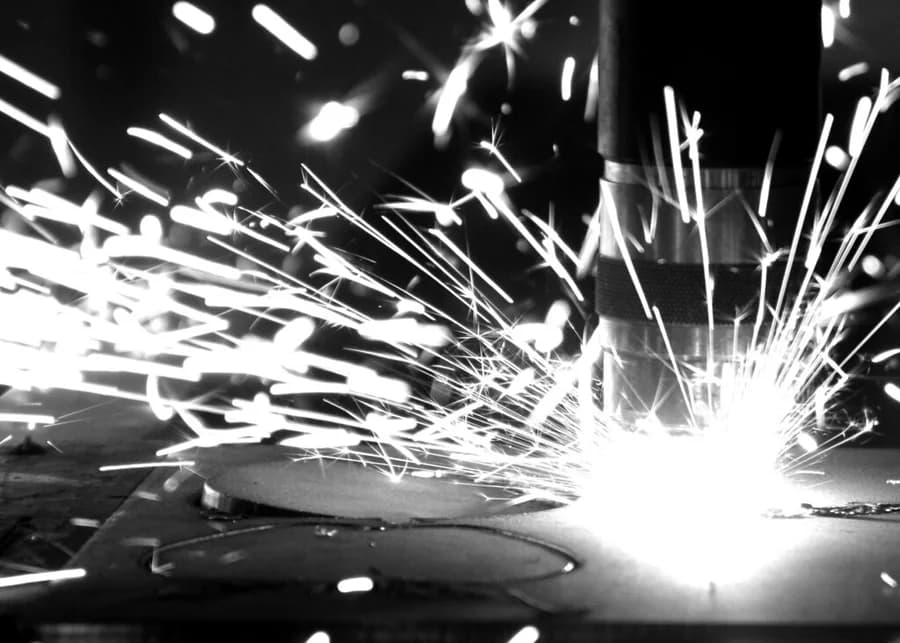
Cutting
The outline is only part of a cutting specification. Edge condition, critical features and the operations that follow determine how a blank should be prepared.
CAPABILITIES / FABRICATION GUIDANCE
A finished part often needs several processes. Review how each capability affects the next, from the first cut to the final connection.
EXPLORE CAPABILITIES ↓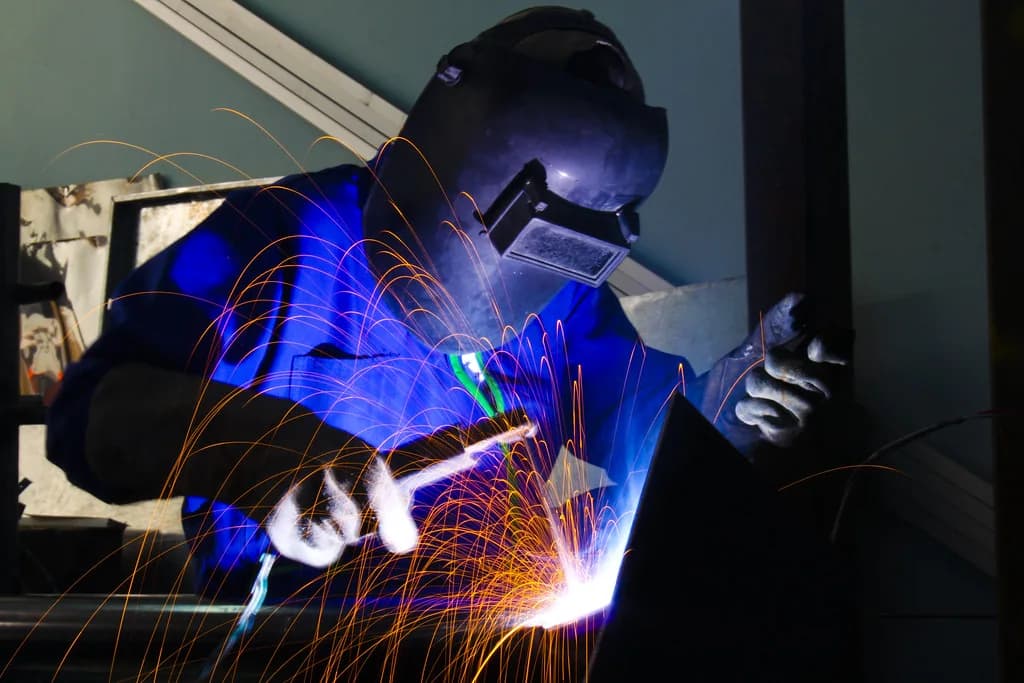
Cutting produces geometry; forming changes it; joining and assembly create the structure. Machining may refine interfaces, while finishing and site coordination determine how the assembly is protected and put into use.
The sequence is project-specific. These guides explain typical processes and design considerations. Availability, method, inspection and responsibilities must be confirmed against the agreed scope rather than inferred from a capability name.
EXPLORE / COMPARE
01
The outline is only part of a cutting specification. Edge condition, critical features and the operations that follow determine how a blank should be prepared.

02
A formed component needs clear reference dimensions and a feasible sequence. Connect the drawing's final geometry to the material and tooling considerations.
03
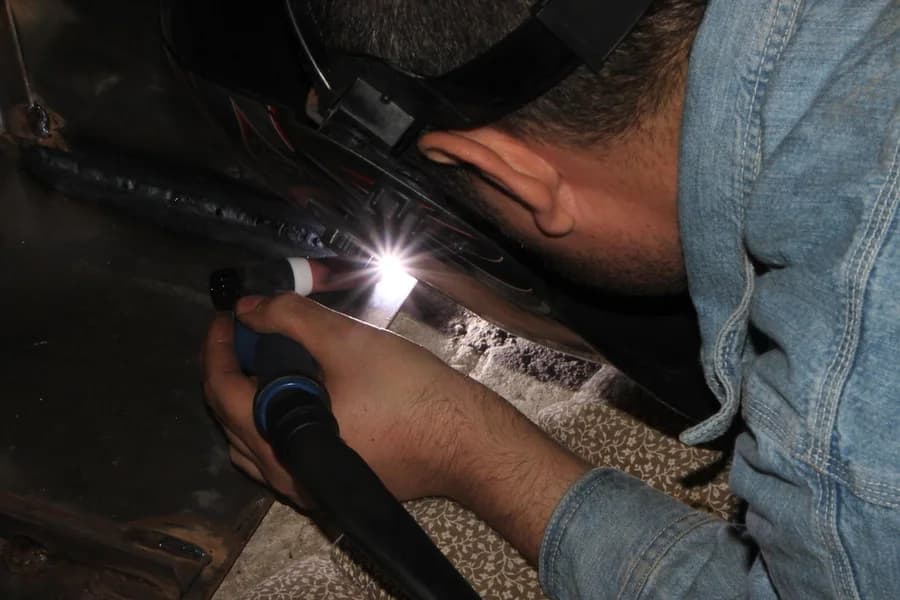
Welding choices follow the joint, material and duty. Establish procedure and inspection requirements before treating a weld symbol as a complete scope.
04
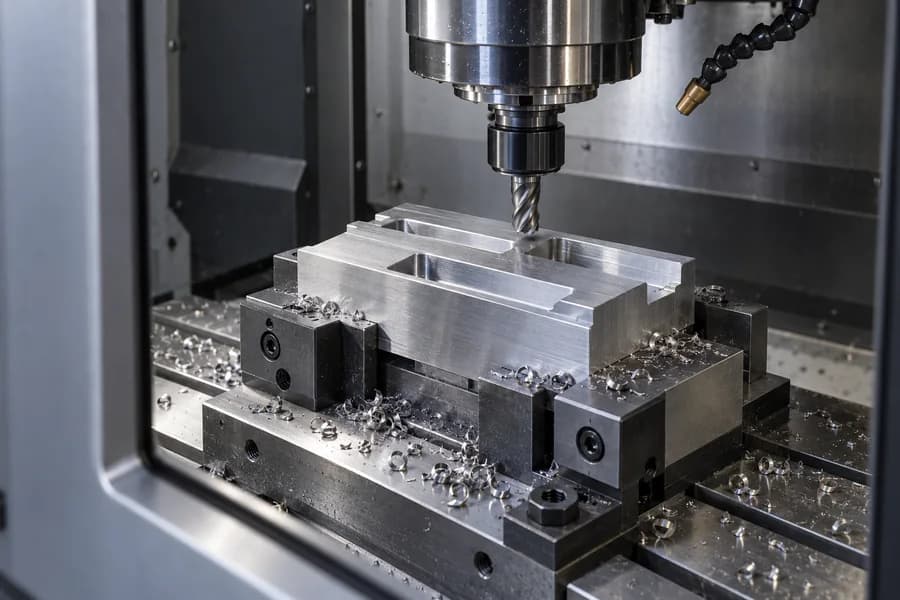
Use machining where a fabricated part needs defined mating features. Identify the surfaces that locate, fasten or move against another component.
05
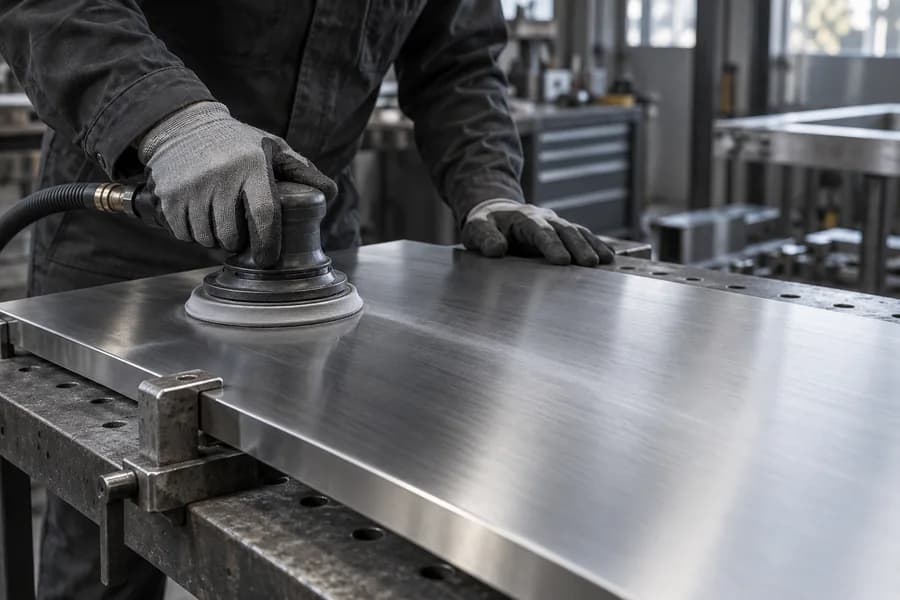
A finish needs a defined substrate, environment and acceptance standard. Colour alone does not describe the protection or appearance a component requires.
06
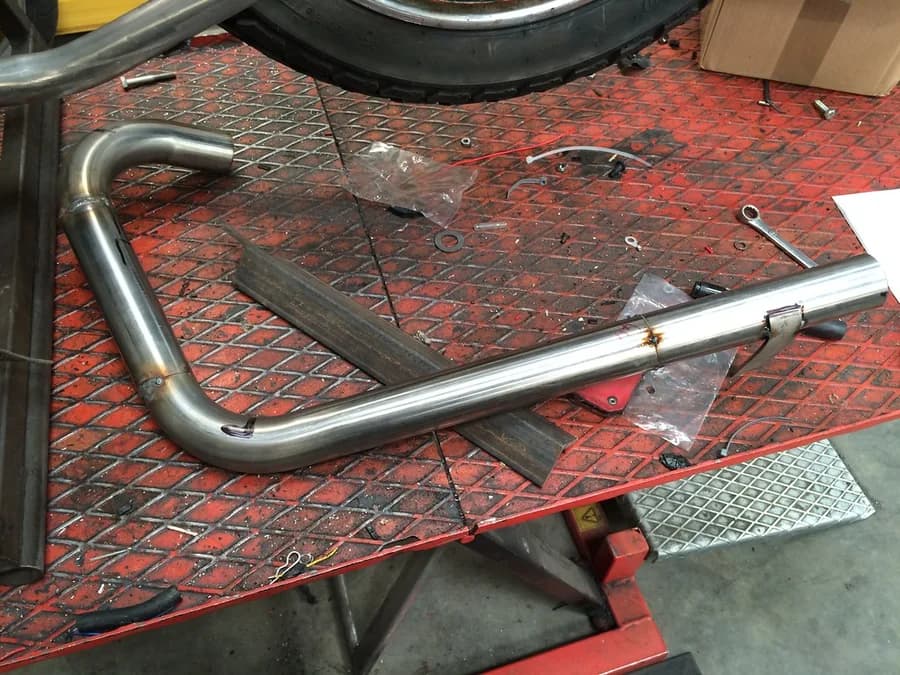
Turn separate parts into a defined deliverable. Specify what is assembled, what is supplied loose and how the interfaces will be checked.
07
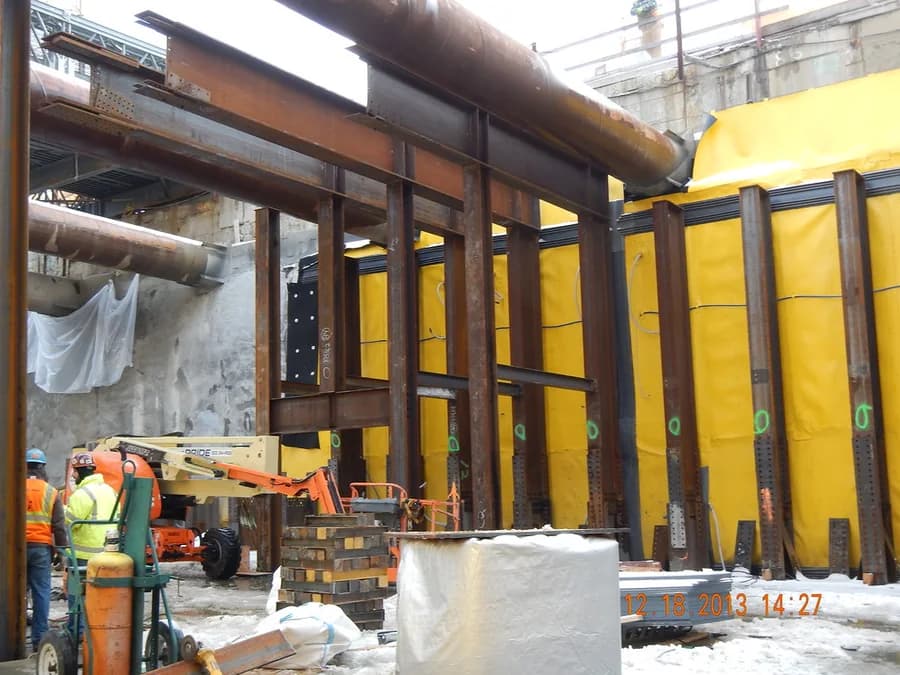
Plan how the fabricated assembly reaches its final position and connects to the building or equipment. Site services are assessed by location, access and project requirements.
APPLICATIONS / POTENTIAL COMPONENTS
Cut features and bend requirements need to be coordinated before the flat blank is released.
Joint details, fit-up, distortion and final interfaces determine the welding and assembly sequence.
Surface protection, shipping condition and site connections need decisions before delivery.
PROJECT PLANNING
Identify critical dimensions, datum faces and the components that must fit together.
Specify inspection, finish references and documentation without relying on blanket capability claims.
Review which operations precede joining, coating and final assembly, including any required hold points.
CONNECTED EXPERTISE
CONNECTED PROCESSES
QUESTIONS / ANSWERS
Yes. Describe the complete component and all required operations, including hardware, finish and delivery condition. Select the main service or Custom Metal Fabrication in the quote form.
No facility or equipment ownership is asserted here. The quotation must confirm the available process route, responsibilities and requirements for your project.
Critical dimensions and acceptance requirements need review against material, geometry and the proposed process. No universal tolerance is promised.
Share the finished-part drawing, material, quantities and functional interfaces. Identify fixed requirements and any flexibility in geometry or method.
YOUR NEXT STEP
Share the intended application, material preferences, drawings, quantities and project location. A complete brief helps define the fabrication scope.