
01
Commercial Construction
For contractors and project teams, a fabricated component has to fit both the drawing and the construction sequence. Define interfaces early so procurement, site readiness and installation can be coordinated.
INDUSTRIES / FABRICATION GUIDANCE
Commercial, industrial and institutional projects put different demands on metalwork. Choose your sector to explore the components, interfaces and procurement details that shape a useful fabrication brief.
EXPLORE INDUSTRIES ↓
The industry tells us where a component will work; the specification tells us what it must do. Loading, exposure, cleaning, maintenance and public access can all influence the material and fabrication route.
Use these sector guides to identify the information your project team needs to supply. Potential components are examples for discussion, not a portfolio of completed work or evidence of client relationships.
EXPLORE / COMPARE
01
For contractors and project teams, a fabricated component has to fit both the drawing and the construction sequence. Define interfaces early so procurement, site readiness and installation can be coordinated.

02
Specify components around the equipment they support and the conditions they will see. Production teams need fit, access and maintenance requirements carried through the fabrication scope.

03
Keep building operations, appearance and maintenance access in the same conversation. Plan fabrication for the spaces people use and the equipment teams need to maintain.

04
For processing and handling areas, material choice is only the beginning. Specify product contact, drainage, cleaning access and the surface conditions your process requires.

05
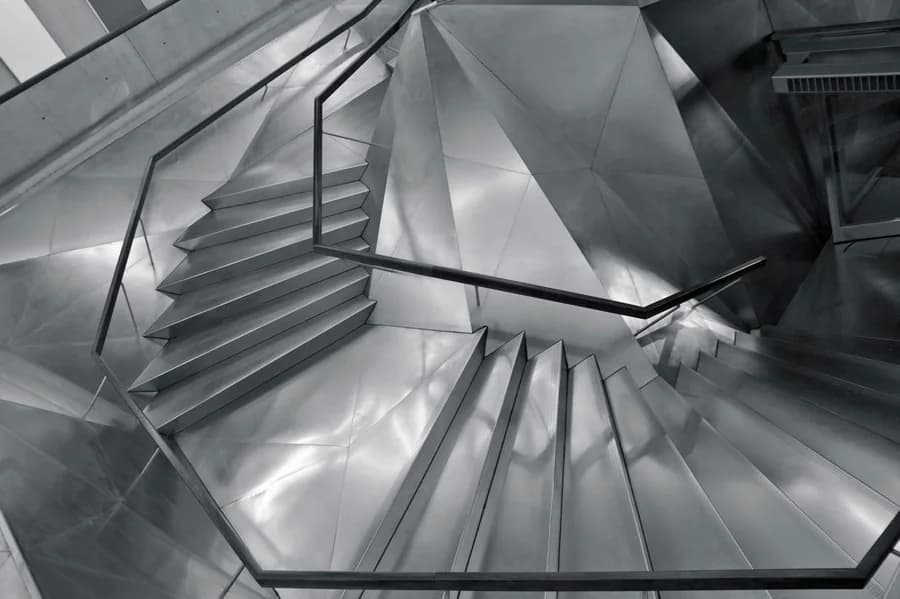
Translate visual intent into geometry, connections and finish criteria that can be reviewed. Good architectural metalwork starts with the details that remain visible.
06
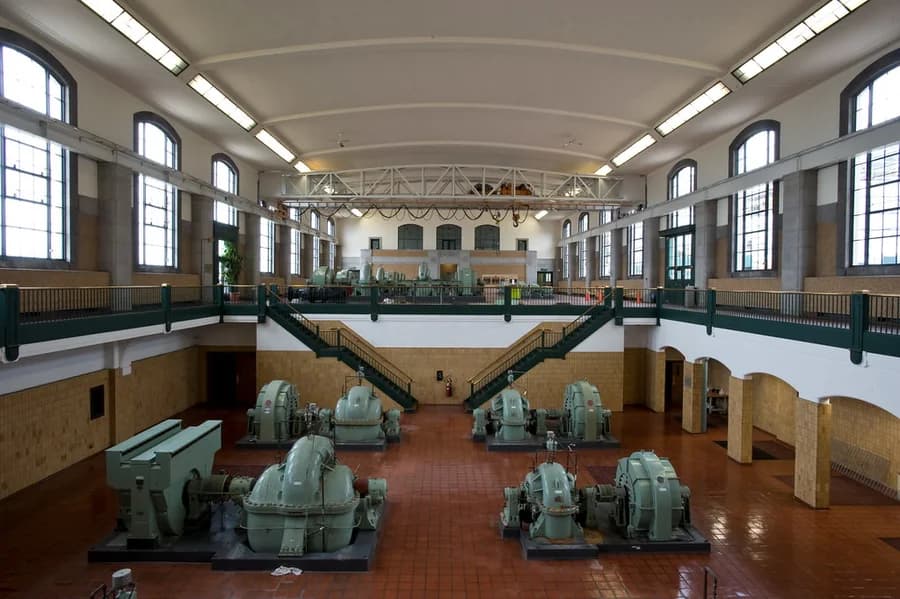
Define fabricated components around the asset they serve, the environment they face and the records the owner requires. Long-term access deserves attention alongside initial installation.

07
Coordinate fabricated components with equipment, handling routes and maintenance access. In busy facilities, an assembly must fit the operation as well as the available space.
08
Bring durability, maintenance and documented scope together for institutional projects. Clear requirements help procurement teams compare like-for-like quotations and coordinate work in occupied facilities.
APPLICATIONS / POTENTIAL COMPONENTS
Supports, protective panels, access components and fit-out metalwork coordinated with existing or planned construction.
Frames, guards, chutes and equipment interfaces with operating conditions and acceptance criteria defined.
Work surfaces, enclosures and fixtures with cleaning, durability and user-access requirements.
PROJECT PLANNING
Provide drawings, quantities and review requirements so quotations cover the same deliverable.
Identify exposure, loads, cleaning, access and any limits on installation or downtime.
Name the parties responsible for design, site dimensions, approvals, installation and handover.
CONNECTED EXPERTISE
CONNECTED PROCESSES
QUESTIONS / ANSWERS
Select the sector that best describes the use and explain the other conditions in the project description. The actual requirements matter more than the category.
No. Supply the credentials, standards and approval requirements specified for the project so they can be verified before any commitment.
Possibly, but differences in loads, cleaning, exposure and acceptance can require a different design or material. Avoid assuming equivalence from a similar appearance.
Identify the tender package, drawing revision, submission rules and any required records. State review responsibilities and allowable alternatives clearly.
YOUR NEXT STEP
Share the intended application, material preferences, drawings, quantities and project location. A complete brief helps define the fabrication scope.